Wednesday, 2 November 2016

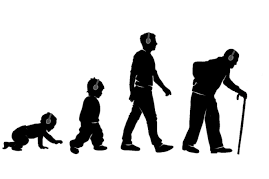
GROWING OLD

What is growing old, anyhow? A half century ago, people thought that the most obvious aspects of growing old—senility, strokes, heart disease, and cancers—were part of the natural process of aging. Now we recognize that they may often be wreckage from our collisions with the microbial world. If most microbes deal with us benignly, then we are compelled to ask how much of the less obvious part of aging is caused by microbial fender benders. Logic tells us that it may be much. If so, what can we expect from human life simply by preventing the damage from our encounters with microbes?

The diversity of activity among the elderly gives us a clue. The bodies of some 50-year-olds are falling apart, whereas some people pushing 80 seem to be cavorting like teenagers. I know this from personal experience because my mother, Sara Jeanne Ewald, is one of these teenagers in her late 70s. She does not respond in ways typical of a person of this age group. For instance, she was run over by a truck in November 1998 and brought to the hospital with a badly fractured pelvis, a broken set of ribs, and a punctured lung. She left the hospital in December and was walking with a cane in January. In April she discarded the cane and departed on a European tour with her boyfriend, leaving in her wake doctors and nurses who were happily scratching their heads in disbelief.

Could the recovery rate from such injuries depend on whether someone was lucky enough to be resistant to chronic infections? I don’t know. Many of the elderly and some middle-aged people have problems with osteoporosis; if infections play a role in this condition, then an elderly person who is resistant to such infections might be especially well able to heal broken bones. Sara Jeanne has been incredibly resistant to acute infectious diseases throughout her eight decades of life. “I must have a strong immune system,” she would often say to me as I was growing up. Perhaps that may help explain why she is zipping around like a college student on spring break instead of being hobbled by the ailments of old age.

Of course this account is just an anecdote. But what is an anecdote? In an effort to be scientifically rigorous, twentieth-century medical science has made anecdote a dirty word. Ardent attempts to codify rigor have stripped us of the benefits anecdotes provide. Anecdotal observations are essential for rigorous science because they provide possible clues to the solution of medical puzzles. Their true value often cannot be discerned without follow-up studies. They may turn out to be junk or gems. When anecdotal observations are followed up with careful studies, some will be recognized as spurious coincidences, whereas others will be recognized as the signposts that guided research to new breakthroughs.

The vision of medicine is sometimes blinded by the average. Any large cohort of 80-year-olds will include some who are youthfully active and others who have become immobilized by the “process of aging.” We see the same in 70-year-olds and 60-year-olds. But as the cohort becomes younger, our sense of what is normal changes. We begin to see the debilitation as something out of the ordinary and therefore deserving of a special explanation. We therefore begin thinking of the debilitation as disease rather than as part of the normal process of aging. Once this transition in thinking occurs, we are spurred to understand the cause of the illness. Perhaps when we understand the full scope of infectious causation and effectively prevent its damaging outcomes, vibrant 80-year-olds will be the rule rather than the exception.
PROSTATE CANCER: THE VERY UNDERSTANDABLE PROBLEM

The very understandable problem most people have in accepting this approach is the uncertainty associated with it. What is my cancer going to do? Will it just sit there for years, or will it begin to spread quickly? And, the biggest worry of all, how long have I got to live? Am I going to die soon?


No doctor can answer these questions, because in every man, prostate cancer is different. However, although we don’t know the absolute answers for your specific cancer, we do know some things, and they are reassuring.

We know what generally happens to men in your situation who are followed carefully with watchful waiting: Gradually, over time, the PSA level will go up. At some point, the bone scan will become positive. This is the time to begin hormone therapy. Once hormone treatment is under way, the PSA level almost always falls dramatically and stays low indefinitely—for some men, this can mean many years. However, at some point down the road, if the patient lives long enough, the PSA will begin to rise again, as the hormone-resistant cells start to multiply. This is when both patients and their physicians begin to worry, because if these cells cannot be stopped, a man’s lifespan is generally only one or two years from this point.

Now, having said this, we also add that for men facing this today, there is great hope. Within the next five to ten years, we expect major new advances that will make it possible for us to control these hormone-resistant cells. Monumental research efforts are being focused on finding new and better ways to treat advanced prostate cancer. And it is entirely possible, if and when you ever reach the point where the hormonal therapy is no longer working, that more effective treatments will be there waiting for you.

Therefore, it is impossible to tell any man with prostate cancer how long he will live today because there is great and reasonable hope that he will have a much brighter outlook tomorrow.

So, to sum up: All of this means that if you have positive lymph nodes and embark on a plan of watchful waiting, you will be avoiding unnecessary side effects today from treatments that will not prolong your life; that these treatments will be there tomorrow, if you develop symptoms and need them. And that, in the future, there is a strong likelihood that we will have new treatments available for you that will do a better job of controlling this cancer.

Tuesday, 1 November 2016

HORMONE COMBINATIONS AND SINGLE-DRUG FORMATS: WHAT STAGE ARE YOU AT?

If you are having irregular, heavy and prolonged menstrual periods and distressing menopausal symptoms

Your hormone therapy options include the following:

- HRT pill that combines oestrogen and progestogen

- natural oestrogen daily plus progestogen for ten to fourteen days a month

- low-dose combined Pill for women needing contraception

- the synthetic oestrogen ethinyl oestradiol, in combination with the progestogen-like substance cyproterone acetate (the combined formulation Diane-35) if acne and worrisome hair growth are problems and contraception is also needed

If you are postmenopausal and have a uterus

Your options for hormone therapy include the following:

- natural oestrogen pill daily or continous oestrogen by patch or implant, teamed with progestogen for ten to fourteen days a month (combined cyclical therapy)

- continuous natural oestrogen and continuous progestogen (continuous combined HRT)

The first of these approaches usually causes monthly withdrawal bleeds that become lighter after a few months and may continue for however long you use HRT. With the second approach, irregular bleeding may occur for the first few months but most women no longer have any bleeding a year later.

If you are postmenopausal and do not have a uterus

Your options for hormone therapy include the following:

- natural oestrogen by pill daily or continuous oestrogen by patch or implant

- natural oestrogen daily and low-dose progestogen daily (for about six months immediately after surgery for endometriosis)

- oestrogen with or without testosterone implants

POST-OPERATIVE DIETS IN GASTROINTESTINAL SURGERY: DIET FOLLOWING GASTRIC RESECTION

Following gastric resection, the period of readjustment to eating follows no predictable pattern; the diet needs to be adjusted frequently to meet the patient’s increasing tolerance.
The troublesome feature is the dumping syndrome.


Dumping syndrome is caused by a reaction to the hypertonic stomach contents which have passed into the ileum with abnormal rapidity. In this, the following dietary considerations are important:
1. Milk often causes difficulty, as in many gastrointestinal disorders.
2. Concentrated sweets and carbohydrates in general are poorly tolerated.
3. Volume of feedings, especially liquids should be limited.
4. Proteins and fats should be used in increasing amounts according to the individual tolerance.
The diet should be adequate in calories, high in protein and low in carbohydrates. The diet regimen is outlined in three steps for the convenience of the physician and the dietary personnel.
After gastric section patient should follow the following regimen:
1. Clear liquid diet.
2. Semi-solid diet (no milk, no cheese).
3. Regular diet, i.e., high protein, low fibre.
Avoid milk as beverage, raw fruits and vegetables, nuts and
concentrated sweets.

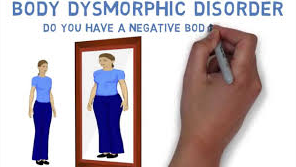
OTHER INEFFECTIVE TREATMENTS FOR BDD: NATURAL REMEDIES

This is one of a number of other treatment approaches and coping strategies that are sometimes used for BDD but appear ineffective.
Natural remedies   Some people try “natural remedies,” such as homeopathic approaches, megavitamins, St. John’s wort, and other substances found in health food stores or on the internet. These treatmerits don’t seem to work.

 None of them have been studied in BDD, and there’s no evidence they’re effective. Just because substances like tryptophan and 5-HTP (5-hydroxytryptophan) are natural and have links to serotonin doesn’t mean they effectively treat BDD. While some-of these substances are potentially harmless, others may actually be harmful. In fact, a number of years ago the U.S. Food and Drug Administration withdrew tryptophan from the U.S. market because a toxic variant of this compound was inadvertently produced, which caused at least 37 deaths and 1,500 cases of a severe syndrome called eosinophilia myalgia syndrome. 5-HTP, too, may be dangerous. The weight loss herbal supplement ephedra (ma huang) was linked to many heart attacks, strokes, and even deaths. So not everything that’s “natural” is healthy; arsenic, too, is natural but can kill you.
The problem is that the Food and Drug Administration generally doesn’t regulate herbs and dietary supplements, and they can be marketed without any proof of safety or effectiveness. Some are contaminated with toxins like mercury lead, or dangerous pesticides. Prescription medicines, such as SRIs, in contrast, must undergo extensive and rigorous scientific testing to demonstrate that they’re both safe and effective before they can be marketed. You’re much better off trying an SRI, since they’ve been extensively tested for safety, safely taken by many millions of people, and shown by research studies to often effectively treat BDD.

TREATING MIGRAINE WITHOUT DRUGS: MEDITATION AND YOGA

Meditation The many different forms of meditation can be grouped into two general categories: those concerned with ‘emptying the mind’ and those in which internal thoughts are built up and maintained by an effort of concentration.Transcendental meditation became very fashionable in the West during the 1960s and much is claimed for it by headache sufferers. It is not surprising that an act of relaxation or withdrawal from everyday activities is associated with relief of tension which produces a reduction in headache frequency. It is less likely to be effective once a headache has started, presumably because the metabolic changes which occur during the headache make it difficult to maintain the appropriate state of mind.

Yoga Yoga is an ancient Indian technique of achieving total bodily and mental control in an attempt to reach new heights of awareness and in promoting relaxation. There have been several trials of yoga methods of meditation in the prevention of migraine and the results, although preliminary, are encouraging.’Yoga of the body’ is concerned with making the body a fit vehicle for the mind as it meditates. The first precepts of control are based on the type of foods ingested, and are similar to much of the dietary advice often given for migraine: no citrus fruits, little cheese, no alcohol or wine, no garlic or onions and, in addition, no smoking.

 Garlic and onions are excluded because they may cause gastric upset. Meals are taken three times a day, the stomach being ‘half filled with food, a quarter filled with water and one quarter left empty’, to avoid any feeling of fullness. Food has to be chewed thoroughly and eaten slowly (in contrast to the gulping of quick snack lunches seen in British pubs). Constipation is avoided by adding bran to the diet. Much of this advice is commonsense and it is understandable that, with this regime, the body will function in a better way.The exercises of yoga are divided into those in which breathing is the main concern, and those which exercise the rest of the body.

 The breathing exercises are designed to establish conscious control over respiration as well as using the stomach muscles to ensure that the lungs are fully inflated.The bodily exercises are performed very slowly and involve either stretching movements or the maintenance of particular positions for periods of time. Physiologically, the maintenance of posture utilizes the stretch reflex of muscles. The whole system can be likened to a cat stretching and rolling, with movements being slow and graceful. It is essential that these exercises become comfortable and patience is needed for this but, after three months’ practice, many patients find they feel much better, fitter, and much less likely to develop headaches.There are many techniques of teaching yoga.

 The meditation aspect of yoga is the most important so that those techniques controlling thought, or holding thoughts in the mind and so building on them, are likely to be of benefit in developing control.Current approaches involve combining certain yoga techniques with biofeedback and it will be interesting to see how much this will achieve; it is conceivable that migraine patients who practice these techniques will not be so much at the mercy of stress and therefore will suffer fewer headaches.

INCEST OFFENDERS VS. ADULTS: EARLY LIFE

The incest offender vs. adults was rarely the youngest or oldest child, and rarely an only child. In fact, he was reared with more siblings (an average of 5.1) than any other type of offender. He was well supplied with sisters: 80 per cent had sisters, and the average incest offender vs.

 adults had 2.67 of them—the second largest number recorded. In addition, an astonishing 40 per cent had two or more older sisters—a proportion far beyond that of any other group. This group was even better supplied with brothers: 84 per cent had male siblings and had, on the average, 2.75 of them—again the largest number recorded. The sex ratio was 107.4 brothers for every 100 sisters, which comes close to that of the prison group (106.5) and is not too far removed from that of the control group (101.5).

The incest offenders vs. adults had, at ages fourteen to seventeen, the best relationships with their fathers. In this respect they did slightly better than the heterosexual offenders vs. adults who, incidentally, are the only other group whose offenses consisted mainly of mutually voluntary sexual contact with adult females. It is no accident that as far as getting along well with their fathers is concerned, the groups closest to the incest offenders vs. adults are the heterosexual offenders vs. adults and minors, and that they are followed by the control group.

The incest offenders vs. adults got along extremely well with their mothers, being second only to the offenders vs. minors. Significantly the next “best” groups are again the heterosexual offenders vs. adults, with the control group once more following in fourth place. If one devises a rating system measuring relationship with both parents, the incest offenders vs. adults and the heterosexual offenders vs. adults share first place in excellence, the heterosexual offenders vs. minors are in second place, and the control group is third.

Most of the incest offenders vs. adults said that they got along equally well with both parents (50 per cent), fewer were partial to the mother (36 per cent) than any group except the heterosexual offenders vs. adults, and fewest favored the father (14 per cent). This is the “normal” ratio that characterizes four groups: the control, prison, and heterosexual offenders vs. minors and adults. At this point it is worth recalling that this favorable ratio did not obtain for the other incest offenders, although the incest offenders vs. minors approximate it. One can say that the normalcy of parental preference correlates, in the incest offenders, with the age of the daughter.

While relatively few of the incest offenders vs. minors came from broken homes, some 60 per cent of the incest offenders vs. adults did, a figure close to that for the incest offenders vs. children. The average, offender vs. adults was almost seven years old when his first home broke up, a not uncommon average age. All incest offenders are within the upper half of a rank-order of average age at the breakup of the original home.

Slightly over half of the incest offenders vs. adults said that when they were between fourteen and seventeen years old their parents got along together well; this percentage is somewhat low. On the other hand, few (18 per cent, a figure below that of the control group) said that their parents got along poorly or badly. To put it briefly, the parents of the incest offenders vs. adults got along better than the parents of the other sex offenders, although not so well as the parents of the men in the control and prison groups.

Despite the rather high incidence of broken homes, the incest offenders vs. adults are second only to the control group in a rank-order of those who had lived 15 or more years in a home in which there were both a husband and wife. This agrees with the fact that none of them had been sent to institutions such as orphanages.

While the incest offenders vs. adults got along exceptionally well with their parents, they seem to have been unable to socialize effectively with their contemporaries at ages ten to eleven. Whereas one fifth to one fourth of most groups said they had had many boy and girl playmates, only 12 per cent of the incest offenders vs. adults could make the same claim. As far as female companions are concerned, they make the worst showing of all: slightly over half had no girl playmates. This is an early intimation of the later limited sociosexual life characteristic of this type of offender. Since we have seen some groups with poor parental relationships having compensatory good relationships with their peers, one wonders if the excellence of the relationship of the future incest offender vs. adults with his parents may represent some sort of withdrawal from life outside the family, a tendency to be a stay-at-home mama’s (and papa’s) boy, obedient to his parents and later to the moral dictates of society.

This picture of poor socialization with females of their own age in childhood becomes even worse when one recalls that the incest offender vs. adults was unusually well supplied with sisters. What with all his sisters and their friends, he was in a singularly advantageous position to learn about females, to learn to socialize effectively with them, and to have prepubertal sex play. The fact that he failed to utilize his opportunities seems in retrospect a bad sign.

This initial impression of restraint is fortified by an examination of the prepubertal sex life of the incest offender vs. adults. Forty-eight per cent (the highest number of any group) had no sex play; only 36 per cent had heterosexual play, the second lowest percentage of any; and 28 per cent (the smallest percentage of any group) had prepubescent homosexual play. Also, they were strongly inclined to be exclusive in their type of sex play: only 12 per cent had both heterosexual and homosexual experience. This low percentage plus the small amount of prepubertal sex play combines to give a picture of restraint and sexual psychological rigidity which we shall see carried into adult life.

As one would anticipate, the duration of sex play was correspondingly brief, and there is nothing distinctive about the techniques involved. The number who had prepubertal sexual experience with adults is too small to permit analysis, but this in itself is significant. No case was found of physical contact with an adult female, and only one case of physical contact with an adult male. This latter case is worth noting only because the other two incest groups also had extremely little contact with adult males.

Like the incest offenders vs. minors, the incest offenders vs. adults were reasonably healthy during childhood, so their social deficiencies and sexual restraint in preadolescence cannot be attributed to ill health.

Their early reticence is evident from the fact that by age ten only 10 per cent had seen the genitalia of an adult female; this is the lowest percentage of any group, and indicative of moral restraint, lack of interest, or an especially conservative environment. Even by age nineteen one quarter of them had never seen adult female genitalia.

Another sign of excessive sexual inhibition is that despite having had a large number of sisters, and the fact that 40 per cent had two or more older sisters, not one of the incest offenders vs. adults reported that his first sight of postpubescent female genitalia was sight of a sister’s genitalia. One can only envision a large but prudish family or a boy so inhibited that he actively avoided opportunities that some other boy would exploit or at least passively accept.

Still another evidence of minimal sexual activity is seen in the record of prepubertal masturbation: only 32 per cent of the incest offenders vs. adults had this experience and thereby share with the incest offenders vs. minors the distinction of having had the smallest percentage of their members with prepubertal masturbation. This in conjunction with their record of having had the lowest percentage of constituent members with sex play makes the incest offenders vs. adults the least active sexually (in preadolescence) of any group.